RECYCLING magazine
  • Subscribe
  • Log in
    • en
    • de
  • Markets & Industries
  • Politics & Law
  • Science & Technology
  • Magazine

Adapt to dynamics

New to RECYCLING magazine

  1. From residual material to key resource
  2. Regional energy instead of imported gases
  3. No people, no circular economy
  4. Ambitious, but not yet sufficient
  5. SH E2-2026
  6. Circular economy as a fig leaf
  7. More use, less emissions

Market & Industries

More on Market & Industries
  • Market22 Apr 26

    Hidden paths of e-waste

    The increasing quantities of waste electrical and electronic equipment are posing considerable challenges for policy-makers, businesses and waste management systems worldwide. An effective circular economy requires that both formal and informal material flows are transparently recorded and quantified. Using the Netherlands as an example, the study "Improving WEEE monitoring: insights from the Netherlands" conducted by Dutch scientists analyses how an almost closed monitoring system for WEEE can be established, which data gaps still exist, and which measures are suitable to improve the recording of informal flows in the future. The study was published in the journal "Resources, Conservation & Recycling".

  • Market22 Apr 26

    Cooperation instead of disruption

    Japan is considered a recycling pioneer with a high level of technical competence and a pronounced sense of efficiency. But how is the circular economy model developing there beyond conventional recycling? The study "Circular business models in Japan: Analysis of circular business transformation through an institutional approach" conducted by researchers from the Netherlands and Japan shows that the transformation is less disruptive and more cooperative. The study was published in the journal "Sustainable Production and Consumption".

  • Market22 Apr 26

    From linear risk to circular resilience

    Global supply chains are faltering, commodity prices are fluctuating wildly and regulatory requirements are becoming continuously tighter. Under these conditions, linear business models based on constant resource consumption and short product cycles are increasingly becoming an economic risk. The report "Mitigating linear risks" published by Circle Economy shows that circular strategies have long since ceased to be just a sustainability issue, but are becoming a key instrument of risk management.

  • Market22 Apr 26

    The long road to the closed loop

    Flexible plastic packaging is material-efficient, functional and market-forming, but also technically demanding and economically difficult to recycle. More than half of all plastic packaging is now accounted for by flexible applications, but closed material cycles have so far been the exception. The report "The challenges and solutions for flexible plastic packaging waste" by the "Alliance to end plastic waste" shows which technological, infrastructural and regulatory requirements need to be met in order for problem streams to become resilient value streams.

  • Market22 Apr 26

    Circular Economy fails due to structures

    The circular economy for plastics is politically set, technologically advanced and socially accepted, and yet its success remains limited. There is a structural gap between ambitious targets and the operational reality of the waste management and recycling industry. The article "Decoding the barriers for a circular plastics industry: An equation framework" by a Swedish scientist shows why known barriers have not yet been overcome, why individual measures come to nothing and which systemic prerequisites must be met for plastics cycles to actually work. The article was published in the journal "Sustainable production and consumption".

  • Wood22 Apr 26

    Waste wood recycling and gasification

    The gasification of residual forestry waste, recycled waste wood, MSW and ligno-cellulosic crop wastes is an emerging pathway to producing liquid fuels. At the high temperatures and pressures in the gasifier, these feedstocks are converted into syngas, a mixture of hydrogen, carbon monoxide and carbon dioxide. Subsequently, the syngas can be converted to methanol or synthetic Fischer Tropsch liquids such as sustainable aviation fuel (SAF). The handling of these non-homogeneous, solid materials is critical to the successful operation of the gasifier to enable a viable recovery and chemical recycling (chemcycling) pathway.

More on Market & Industries

Subscribe to the newsletter!

Sign up to receive weekly updates on the latest trends, legislation, practical reports and more information on recycling and waste management.

✓ Over 5.000 professionals already signed up

Politics & Law

More on Politics & Law
  • Politics25 Mar 26

    Smart waste instead of rigid systems

    Increasing waste volumes, ambitious recycling quotas and growing cost pressure pose funda-mental challenges for municipalities and waste management companies. Artificial intelligence and the Internet of Things are opening up new ways to make collection, sorting and material flow control more efficient, transparent and sustainable. The study "Revolutionizing urban solid waste management with AI and IoT: A review of smart solutions for waste collection, sorting, and recycling" by a Saudi Arabian scientist shows how digital systems can evolve from an addi-tional technological benefit to a strategic key for the circular economy.

  • EU25 Mar 26

    Turbo or snail's pace?

    And once again, the EU wants to speed things up. This time, the "Industrial Accelerator Act" is to be about selected industrial sectors. The main focus is on public procurement and approval procedures.

  • EU25 Mar 26

    Circularity as an industrial policy of the future

    Where does Germany stand in terms of the circular economy and what about the European goals? The Bertelsmann Foundation's study "Circular Economy Strategies of the EU and Germany in Comparison" examined the status quo in Germany. In addition, it was examined whether the German targets correspond to those of the EU.

  • Politics25 Mar 26

    Separate fees for separate destinations

    Extended producer responsibility is considered the backbone of European recycling policy. But while collection and recycling rates are increasing, waste volumes continue to grow, while reuse and repair remain structurally underfunded. As part of the planned Circular Economy Act, Zero Waste Europe pro-poses a fundamental realignment of extended producer responsibility in the policy brief "Extended Pro-ducer Responsibility (EPR) for waste reduction".

  • Politics25 Mar 26

    Construction is becoming a CO₂ risk factor

    Global construction activity is one of the central drivers of global resource consumption and the associ-ated greenhouse gas emissions. While the international community has formulated the goal of limiting global warming to well below two degrees Celsius with the Paris Climate Agreement, the CO₂ footprint of the construction sector has been rising dynamically for decades. The discrepancy between political ambi-tion and real development could become a crucial bottleneck in the coming decades. The study "Carbon footprint of the construction sector is projected to double by 2050 globally" by scientists from China, Germany, the Netherlands and Austria shows that the sector alone could be sufficient to consume the remaining CO₂ budget for the 1.5 degree target, even if other industries were fully decarbonised. The study was published in "Communications Earth & Environment".

  • EU15 Feb 26

    EU rules accelerate China's transformation

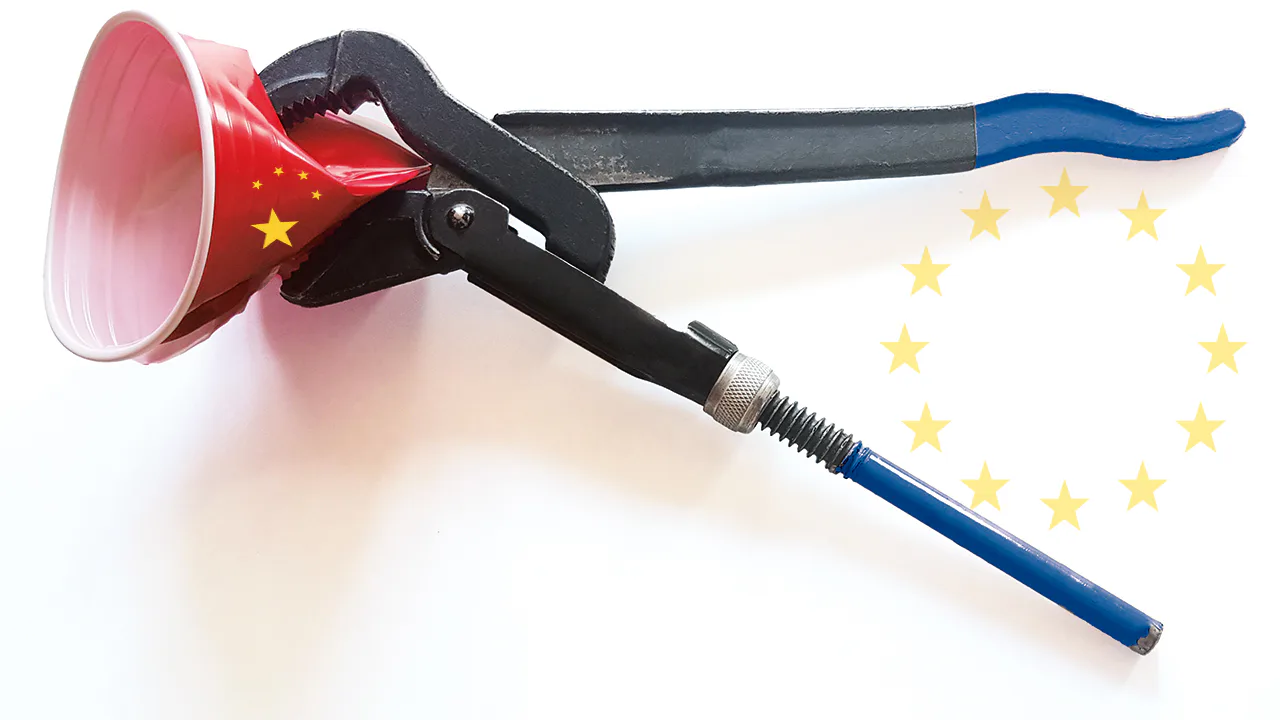
    The EU is consistently aligning its plastics industry with recyclability and creating binding standards with new requirements on recyclability and the use of recyclates that have a global impact. For China, as one of the largest exporters to the EU, this means that products and packaging will have to be competitive in the future not only in terms of price, but above all with regard to regulation. In their report "Impact of EU recycling regulations on China's key packaging-intensive export sectors", ICIS and CPCIF show how Europe's regulatory framework is evolving into a global benchmark that is reshaping production and material decision-making in Chinese companies.

More on Politics & Law

My article overview

My article overview can only be accessed if you are logged in.

Log in

or make an account

Science & Technology

More on Science & Technology
  • Market22 Apr 26

    AI, climate and new jobs

    Digitalisation, artificial intelligence and the ongoing transition to a climate-neutral economy are changing business models, production processes and job profiles worldwide. The World Economic Forum's "Future of Jobs" report shows just how much the labour market is set to change by 2030.

  • Science22 Apr 26

    Recycling needs strong ecosystems

    Recycling has long been more than just waste recycling. With increasingly strict regulatory requirements, growing recyclate quotas and the pressure to decarbonise, the role of the industry is changing fundamentally. What is needed is not only efficient processes, but also the ability to build and control functioning circular ecosystems. The study "A dynamic capabilities framework for building circular ecosystems by focal firms" conducted by Spanish and Brazilian researchers shows which strategic competencies companies need in order to do so and why recycling companies in particular can play a key role in the process.

  • Science25 Mar 26

    Physics instead of chemistry

    E-waste is one of the most recyclable, but at the same time technically most demanding waste streams worldwide. In view of rising raw material prices, growing quantities and stricter environmental require-ments, classic, chemical-intensive recycling processes are coming under increasing pressure. Reagent-free technologies based on physical separation principles promise higher energy efficiency, lower emissions and new ways in urban raw material extraction. The study "Review of Reagent-Free Electronic Waste Recycling: Technology, Energy, Materials and Spatial Effects" by scientists from Kazakhstan and Croatia analyzes the state of the art and evaluates industrial perspectives. The study was published in "Recycling".

  • Market25 Mar 26

    Save resources, secure value creation

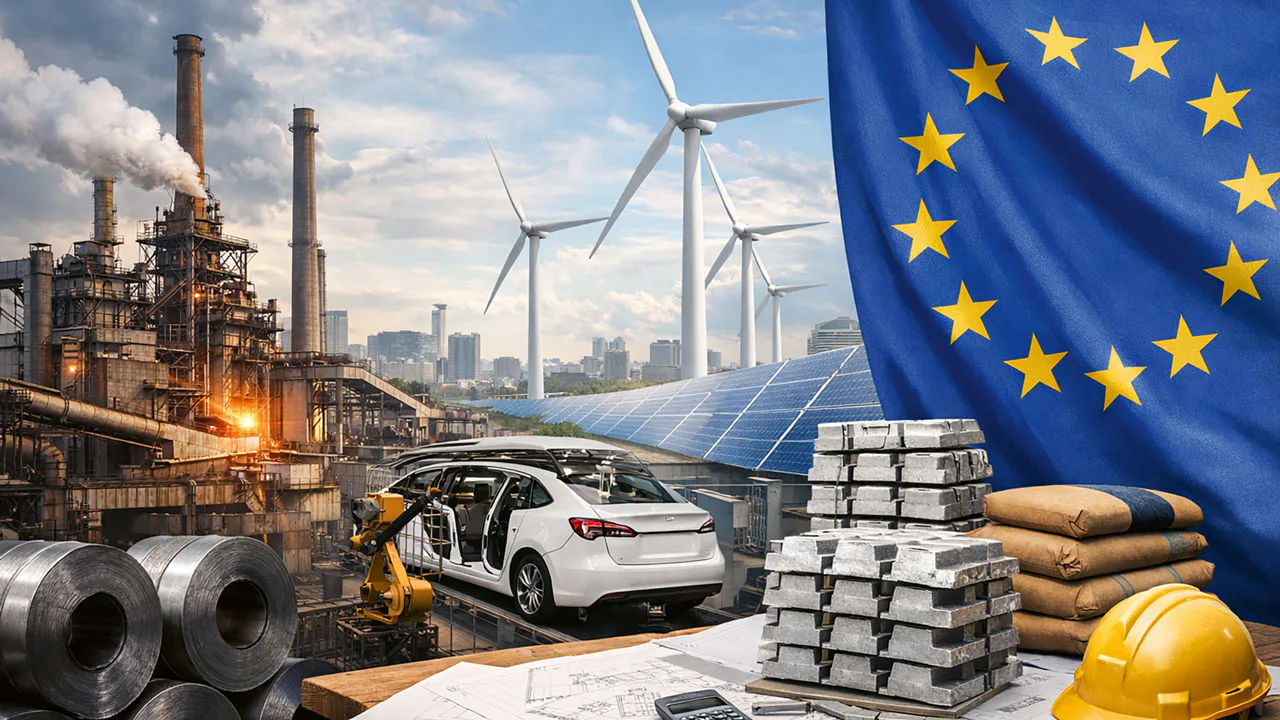
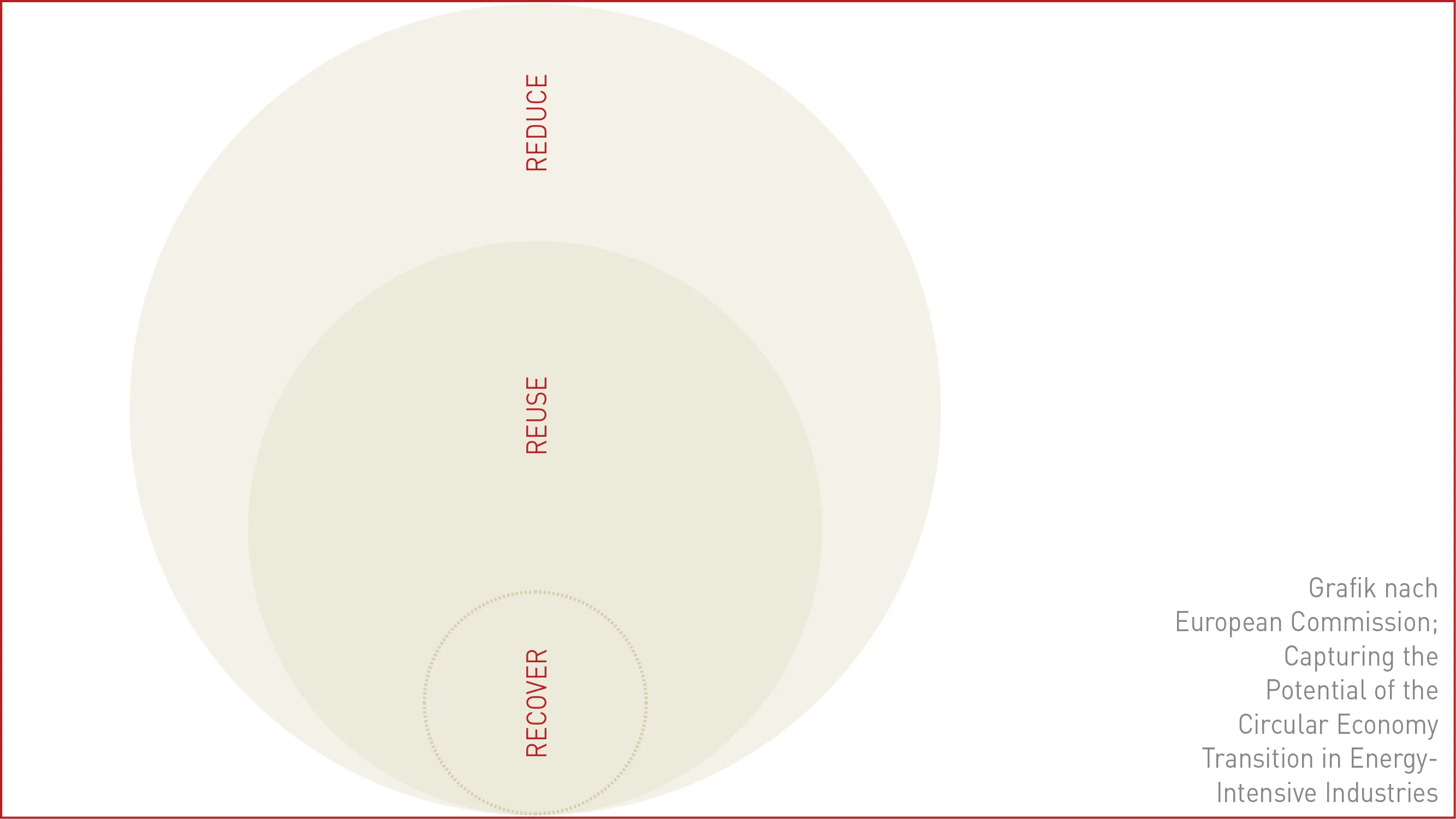
    The transformation to a climate-neutral industry is increasing the pressure on energy-intensive sectors such as steel, aluminum, cement and plastics. At the same time, the importance of the circular economy is increasing as it reduces emissions, reduces resource dependencies and strengthens economic resilience. The JRC study "Capturing the Potential of the Circular Economy Transition in Energy-Intensive Industries" shows what additional decarbonisation potential can be unlocked through circular measures and what political framework conditions are necessary for this.

  • Plastics15 Feb 26

    Microplastics as a risk and resource

    Plastics are essential materials in everyday modern life, but their durability and versatility lead to considerable stress for both the ecology and human health. Through physical, chemical and biological processes, they break down into micro- and nanoparticles that can be detected in soils, waters and the atmosphere. At the same time, there is increasing evidence of toxicological effects such as inflammatory reactions, oxidative stress and endocrine disruptions, while the long-term health consequences remain largely unclear. Against this background, strategies to reduce plastic input, develop standardised detection methods and promote sustainable recycling and upcycling technologies are of essential importance. The study "From Harm to Hope: Tackling Microplastics' Perils with Recycling Innovation" conducted by Italian scientists provides an overview of the formation, detection and health relevance of microplastics as well as current approaches to the circular economy. The study was published in the journal "Molecules".

  • Biomass15 Jan 26

    From food waste to bioplastics

    Food loss and waste is a major sustainability problem as it consumes resources and causes environmental pollution. At the same time, the plastics industry is looking for alternatives to petroleum-based plastics.

More on Science & Technology

The benefits of RECYCLING magazine

Latest industry news

Latest industry news

Stay up to date with developments in the recycling and waste management sector – from new technologies and legislative changes to market trends.
Practical insights and expert knowledge

Practical insights and expert knowledge

The magazine offers in-depth specialist articles, interviews and case studies drawn directly from real-world practice. This is particularly valuable if you work in the circular economy or have an interest in the sector.
Competitive advantage through knowledge

Competitive advantage through knowledge

With the information from the magazine, you can make more informed decisions, identify innovations at an early stage and better position yourself in your professional environment.
Sign up now for a free trial month

You might also be interested in

  1. SH E2-2026
  2. Circular economy as a fig leaf
  3. More use, less emissions
  4. Hidden paths of e-waste
  5. Cooperation instead of disruption
  6. From linear risk to circular resilience
  7. The long road to the closed loop
  8. Circular Economy fails due to structures
  9. AI, climate and new jobs
  10. Waste wood recycling and gasification
  1. Recycling strengthens location and climate targets
  2. Recycling needs strong ecosystems
  3. Deposit or garbage?
  4. Six measures for better recycling
  5. Physics instead of chemistry
  6. Smart waste instead of rigid systems
  7. The long road to plastic circularity
  8. Turbo or snail's pace?
  9. Circularity as an industrial policy of the future
  10. Separate fees for separate destinations
  • Subscribe
  • Newsletter
  • Contact

Legal Informations

  • Legal notice
  • Privacy policy
  • Terms and conditions
  • Cancellation

RECYCLING magazine

  • Our Team
  • About us
  • Newsletter
  • FAQs

Quicklinks

  • Subscriptions
  • Mediakit
  • Events

RECYCLING magazine provides independent, deeply investigated information about all aspects of secondary raw materials.
The magazine has a long track record, it has a history of more than 70 years. The following terms and conditions apply to the use of this website: Terms and Conditions, Privacy Policy and Cookie Policy.